


Post Hot Topics
September 2025 – Reading & Books
This September marks the arrival of a trio of literary milestones that underscore the significance of reading and literacy. First, there is National Read a Book Day observed on September 6th, closely followed by World Literacy Day on the 8th, and then a celebration of another renowned author on the 13th. Taken together, these events create a week-long narrative around books.

Most libraries use the Dewey Decimal Classification to categorise nonfiction books.
Before we introduce each event, let us first set the scene with a brief prologue. A discussion of reading does not need to be as cliché as “reading is good”. That would be far too predictable.
Instead, prepare for a lively, open-ended discussion with ample room for interpretation.
Every story starts at the beginning. In this case, it begins by overcoming the stomach-churning thought of reading a book and instead enjoying a few cosy moments of page-turning. It does not mean isolating oneself to the grandest of studies to commit days to a dusty tome without breaks, unless, of course, that setting is enjoyable. For some, this could be the background noise of a bustling cafe, a cosy bed to curl up in or even a bench outdoors.
Instead, the essence of this day lies in seizing that moment to forgo digital distractions deliberately and instead engage with a variety of ideas, styles, and concepts that offer something special. Sure, there may be some underlying guilt about revisiting paperback piles that could rival that of a librarian. Still, could that shame be masking the recognition that books, whether fiction or fact, still hold meaning?
On the subject of meanings, what defines a book today?
Could it be the comforting feel of a hardback or paperback, the convenience of audiobooks that transform mundane tasks into an enjoyable storytelling experience, or the portability of e-books that allows one to smuggle an entire library onto a plane? What about the more unconventional types of books, such as scrapbooks that capture memories, or the childish amusement of pop-up books that bring an extra dimension of joy to parents and children together right before bedtime? How about something more functional, such as a notebook filled with brain dumps or a cookbook that offers a feast for the eyes with instructions on the side?
The benefits of reading also go beyond entertainment. Here are three that stand out in particular:
Digital Detox
Our daily lives are becoming increasingly digital, to the point where checking for missed notifications becomes second nature. Sometimes, all it takes is a more tangible object to break that. With a physical book, you can turn the pages physically, much like swiping through a feed. Sometimes, the small action of folding a tiny dog-ear to bookmark a stopping may be therapeutic, as it is not accompanied by a notification pointing out the obvious.
Another perk of physical books is that they can be read under any light without screen glare (or a reliable signal) and can work more effectively towards a restful night, as opposed to some e-readers, which tend to have the drawback of some artificial light.
Cultivating Emotional Intelligence
Works of fiction encourage us to view the world from different perspectives. Crime fiction is a prime example, as it features heroes, villains, and victims, often culminating in a climactic resolution—unlike reality.
It drives that instinctive curiosity towards human behaviours to the point where you can take three or more sides with unique personalities and motivations, and see actions that are wholesome, heinous or sometimes scandalous. They also provide a puzzle to solve on the side, where one might try to square off against the protagonist in an immersive battle of wits.
Non-fiction books also have a similar effect, where readers can learn lifelong lessons from those well-versed in writing. Self-help books can offer valuable tips to enhance mindfulness, meditation, and grounding techniques that foster self-reflection and confidence.
Flow and Healthy Escapes
Fantasy is a good example of how books provide a healthy escape. Unlike reality, where problems often linger without solutions, fantasy offers entire worlds built with imagination, where readers can safely detach from their own surroundings, frequently exploring realms, quests and triumphs that give the mind a form of immersive rest. Psychologists describe this state as “flow“, where attention is so absorbed that everyday worries fade away.
Research supports the benefits as well: reading has been shown to lower stress by up to 68% for just 6 minutes a day, making it more effective than many standard relaxation techniques. Non-fiction also helps by introducing other lived experiences and lessons throughout history that offer fresh insights that might otherwise go unnoticed.
Literacy is essential for reading, writing, and comprehending the world around us. It enables individuals to follow signs, read instructions, and make informed decisions. Yet, despite being a fundamental human right, literacy remains out of reach for many people worldwide.
Globally, UNESCO estimates nearly 770 million adults and young people still lack basic literacy skills.
Within the UK, the ability to read a book is more intricate than it may seem at first glance. A 2024 report by the National Literacy Trust found that 1 in 10 children aged 5 to 18 do not own a single book at home. Two years earlier, another survey revealed that 51% of parents believed books were too expensive, and more than 64% admitted they had less money to spend on books for their children because of the rising cost of living. Many communities are still facing a decline in reading spaces, such as public libraries and funding for school libraries, making it even more challenging for those who rely on them the most to access physical books.
Even when a library or bookshop is within reach, the selection may prove to be disappointing. Some books are outdated, written in unfamiliar languages, or fail to reflect the cultures and interests of a diverse audience. For some, these spaces are large, quiet, and become intimidating rather than inviting.
Accessibility adds yet another barrier. Reading is often seen as a visual skill, but not everyone experiences it that way. For those who rely on braille to read, a large selection of books becomes immediately inaccessible, and downloading audiobooks at home may not be an affordable option. Without inclusive formats, reading becomes an ongoing struggle for those who are marginalised.
Then comes the matter of time. When the stars align with the perfect conditions for reading, many people struggle to fit it into their daily lives. Children may miss bedtime stories, not because parents do not value them, but because exhaustion and competing responsibilities leave little energy at the end of the day. Adults face similar pressures. After long hours of work or study, it can feel easier to idly scroll through what could be on TV than to sit down with a book since reading requires focus and space; something as simple as one minor interruption can shatter it.
Literacy Elsewhere?
It is no secret that technology has changed the way people experience books. As mentioned earlier, e-books and audiobooks are now options (alongside the ability to order various physical editions) that provide entirely new roads to reading. For some, downloading a rented book can be cheaper, while for others, an e-reader can help make reading more inclusive than ever before.

E-ink screens, used by most e-readers, use millions of tiny capsules filled with black and white particles that move in response to an electric charge, forming text and images – just like pixels on an LED display.
At the same time, digital literacy shapes how readers interact overall. Online catalogues, library apps, and the reviews of fellow readers can introduce individuals to authors and stories they might have never found on a local shelf. Yet digital access also brings new challenges. Navigating online stores or subscription services requires confidence with technology, and not every household has reliable internet or suitable devices. In this way, the skills needed to benefit from digital books are directly tied to both literacy and digital literacy, enabling them to cross geographical and social boundaries.
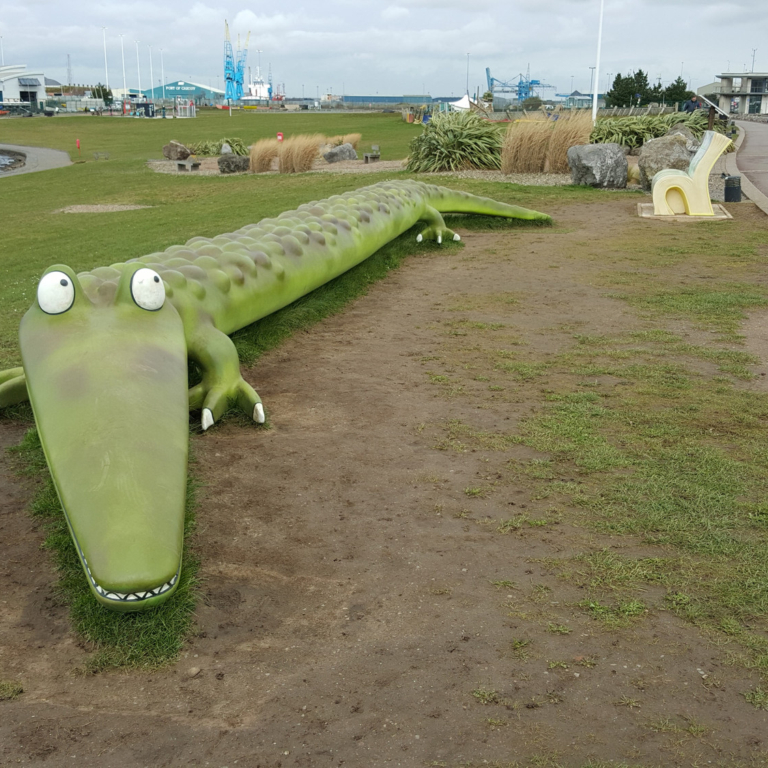
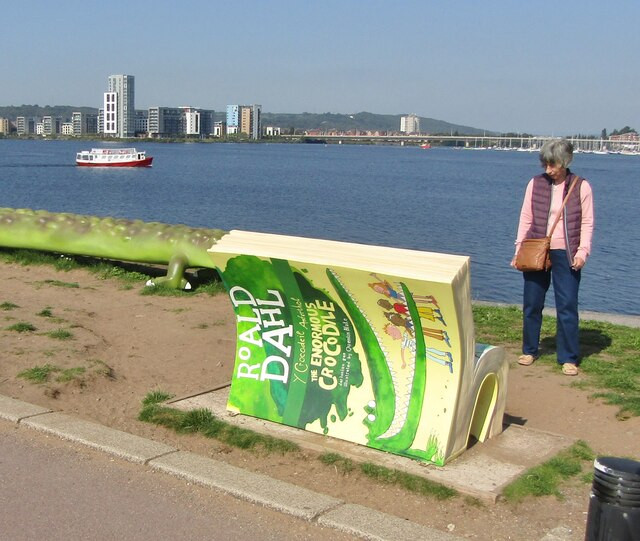
Roald Dahl once said that books should whisk readers away into worlds they never imagined. For generations, his own works have done just that in many ways, though giant peaches, fantastic foxes, and chocolate factories with a couple of twits, witches, magical fingers and friendly giants to boot.


- Do all stories explore the same plots, or do words make each unique?
- What books have left a lasting impact on you?
- Are there any other types of books?
- What factors around the world often get in the way of literacy?
- Are there rules in place around AI-generated books?
- Would things change if nobody could read or write?
- Which is better: Hardback, paperback or movie adaptation?
Related Content
Post Hot Topics
March 2026 – Neurodiversity Celebration Week
04th March 2026
5 mins read
Post Hot Topics
February 2026 – Safer Internet Day
01st February 2026
7 mins read
Post Hot Topics
January 2026 – A Long December
01st January 2026
6 mins read