


Post Hot Topics
March 2025 – International Women’s Day (IWD)
Who’s she, the cat’s mother? No, she’s a force to be reckoned with!
Education
Employment and Equal Pay
Freedom
Discrimination, Abuse and Harassment
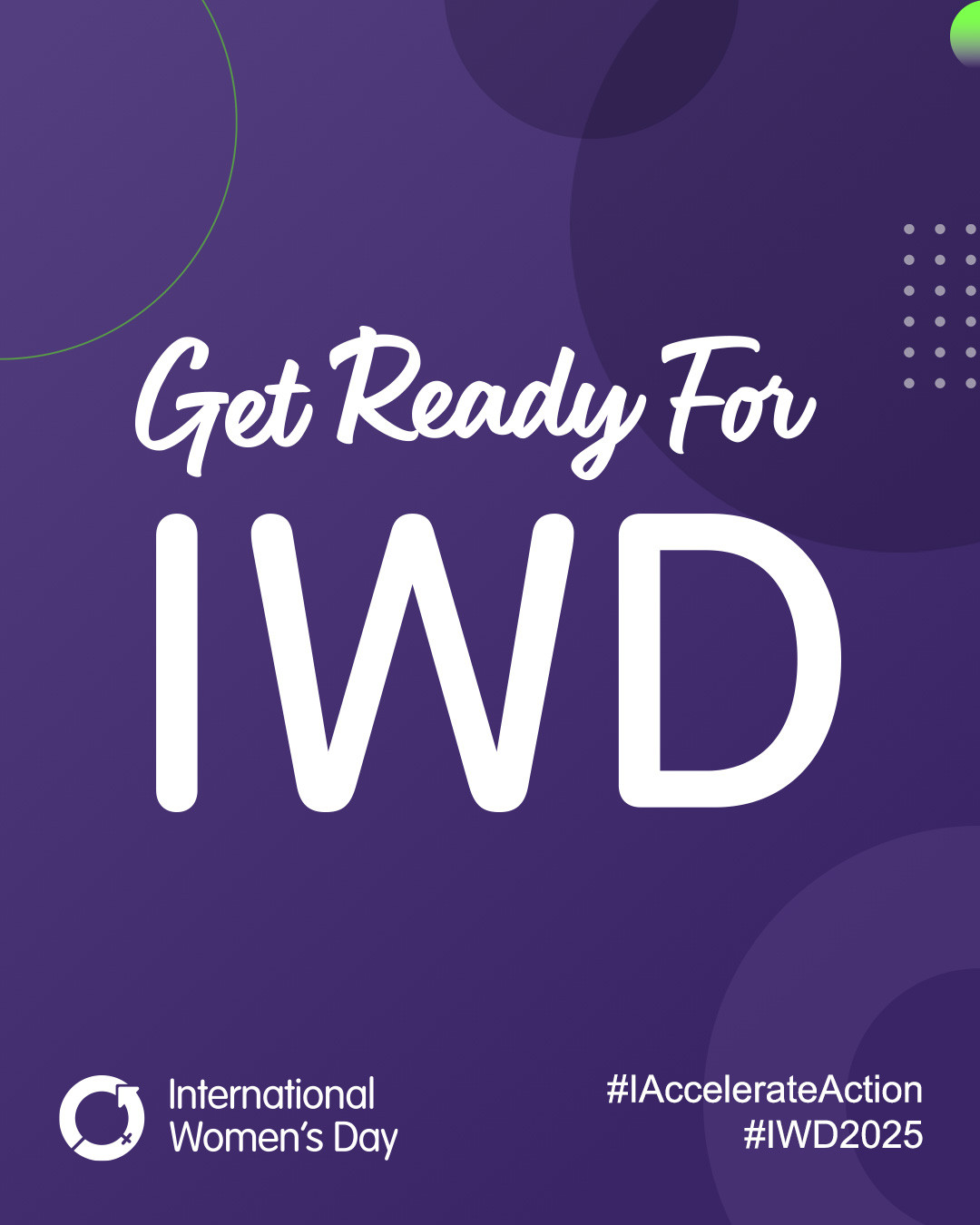
This year’s campaign highlights the critical need to accelerate efforts to dismantle systemic barriers and biases that hinder women’s equality. Despite progress, women worldwide (and even closer to home in the UK) continue to face persistent challenges that prevent them from reaching their full potential. Inequalities such as pay gaps, gender bias, and a lack of leadership opportunities create an invisible ceiling, keeping many from advancing despite their skills, dedication, and ambition.
These barriers mirror the plight of a hamster on a wheel. The hamster itself is determined to keep moving, scurrying its tiny little legs off constantly day in, and day out, but never actually moving forward no matter how fast or how long they run – much like women who exert equal or more tremendous efforts to encounter outdated perceptions and discrimination daily. That alone can be tiresome, but the constant struggle for equal pay, uphill battles to be acknowledged or unfair burdens of unpaid care work show that the cycle repeats itself.
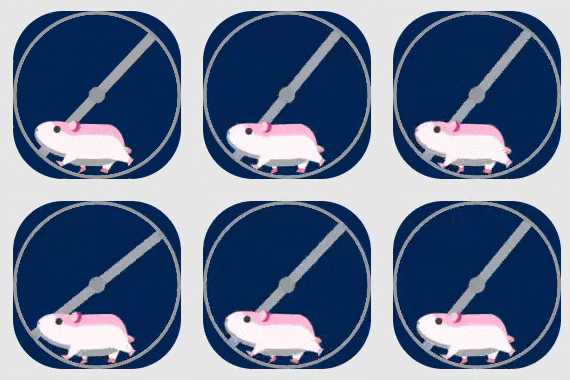
What if the hamster stops running (or becomes too ill to be able to)? This too, reflects the reality for many women who become discouraged when progress is repeatedly blocked by pay disparities, gender bias, and a lack of leadership pathways, some may feel forced to step back, lower their ambitions, or even give up on dreams altogether. Some women reach the point where they pause out of exhaustion, which also robs industries, economies and societies of different perspectives to move forward and overcome.
International Women’s Day (IWD) is deeply connected to the early rights of women to be allowed to vote in both the US and the UK (which we brought up last year), including both the peaceful advocacy of the suffragists and the militant actions of the suffragettes in the fight for the ability to vote.
The colours often associated with IWD—purple for dignity and justice, green for hope, and white for purity—were first used by the Women’s Social and Political Union (WSPU) in 1908 to symbolise their campaign for women’s suffrage here in the UK.
Mud, Monster Meetings and Monumental Movements
One of the earliest large-scale demonstrations for women’s rights took place on February 9th, 1907. Organised by the National Union of Women’s Suffrage Societies (NUWSS), around 3,000 women from various backgrounds braved the downpour as they marched through the streets of London to demand the right to vote. While it captured the public’s interest, this peaceful protest did not lead to parliamentary changes.
The ignorance faced by the suffragists was not taken lightly. In response to the deafening silence, the suffragette Women’s Social and Political Union (WSPU) members organised a “monster meeting” where participants from all over the country got drawn in. This event, which attracted an estimated 300,000 to 500,000 people to Hyde Park, became one of the largest demonstrations in British history.
However, it is essential to note that the roots of International Women’s Day are more closely tied to political movements aimed at improving conditions for working-class individuals during the late 19th and early 20th centuries. The successful turnout and result of the suffrage campaigns heavily inspired the events that determined the ever-important date.
Why the 8th of March?
Meanwhile, in the United States, the first National Women’s Day was celebrated on February 28, 1909, following a call from the Socialist Party of America. Garment workers’ activism heavily influenced this initiative in a significant strike called “The Uprising of the 20,000.” This massive strike shed light on the exploitation of immigrant workers and the difficult conditions faced by female textile workers who endured cramped spaces, unsanitary facilities, and unreasonably low wages for long hours.
At the International Socialist Women’s Conference in Copenhagen in 1910, Clara Zetkin proposed the idea of an annual International Women’s Day to allow the world to celebrate in unison, though no fixed date was chosen. Austria, Denmark, Germany, and Switzerland decided to celebrate the first International Women’s Day on March 19th, a year later, in 1911.
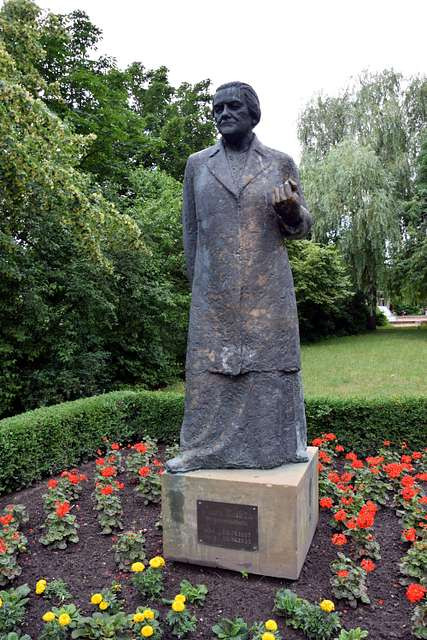
A monument of Clara Zetkin standing proudly among vibrant flowers in Clara-Zetkin-Park, Berlin, Germany.
The official date of International Women’s Day was later shifted to March 8 between 1913 and 1914. This date emerged as a focal point for women’s rights and anti-war protests, especially in Russia and Europe.
In 1977, the United Nations officially recognised this date as a day dedicated to women’s rights and world peace, marking the beginning of a new era. Even today, many countries around the world consider this day as an official holiday.
Feminism. It is one of the oldest and largest movements in history that addresses economic, civil, and ideological inequalities among men and women, and it has also expanded to include non-binary individuals in recent years.
Liberal Feminism
Believes in: Gender equality through legal and political reform.
Based on: The idea that discrimination against women is due to outdated laws, cultural norms, and systemic biases, which can be corrected through education, legislation, and policy changes.
Liberal feminists advocate for equal pay, workplace rights, reproductive freedoms and anti-discrimination laws.
Radical Feminism
Believes in: A significant social transformation.
Based on: The idea that patriarchy is deeply ingrained in all aspects of society and that true gender equality requires addressing these structures.
Marxist / Social Feminism
Believes in: Collective wellfare and economic reforms.
Based on: The view that patriarchy is linked to economic systems and that gender equality can be reached by addressing them.
According to them, capitalism benefits from gender inequality by keeping women in lower-paying roles and expecting them to handle unpaid caregiving at home.
Ecofeminism
Believes in: Respect for the environment over corporate greed.
Based on: The historical oppression of women in Indigenous and rural communities.
They believe that respecting and nurturing the environment goes hand in hand with advancing gender equality, as many of the world’s environmental crises disproportionately affect women and marginalized communities, such as higher workloads and occupational hazards.
Black / Womanist Feminism
Believes in: The elimination of racial blind spots and oppression.
Based on: The exclusion of Black and Indigenous voices from other movements.
Cultural Feminism
Believes in: The traditional differences between man and woman.
Based on: The belief that a woman’s unique strengths should be celebrated and integrated into existing social structures.
They advocate for female-centred communities, leadership styles based on empathy and collaboration, and policies that support caregiving roles, such as paid maternity leave and support for stay-at-home parents.
Postmodern / Intersectional Feminism
Believes in: The idea that gender is fluid and womanhood has no definition.
Based on: Philosophical that different factors (like race, class and disability) shape different women’s experiences of oppression.
Transfeminism
Believes in: The fight for gender equality involves everyone regardless of identity.
Based on: The belief that trans people often face discrimination before, after or during transitioning.
That is all for this month, but before concluding, we would like to take a moment to share some inspiring and encouraging words from our esteemed CEO, Gemma:
International Women’s Day is a time for us to recognise and celebrate the achievements of women, both within GLP Training and among our learners. We’re committed to creating real opportunities, providing support that makes a difference, and ensuring everyone has the chance to succeed.
Can you name three successful women off the top of your head?
Do you think challenges still exist in achieving gender equality globally and within the UK?
How do you think the UK compares to other countries in terms of gender equality?
Does anything need to change to overcome any challenges?
Are there any British Values not mentioned above that can also apply here?
Related Content
Post Hot Topics
March 2026 – Neurodiversity Celebration Week
04th March 2026
5 mins read
Post Hot Topics
February 2026 – Safer Internet Day
01st February 2026
7 mins read
Post Hot Topics
January 2026 – A Long December
01st January 2026
6 mins read