


Post Hot Topics
January 2025 – The Year Ahead: Control and Influence of Media on Global Powers
Last year, we set ambitious goals and witnessed significant global changes. This year, we’re starting with a bold yet different perspective.
Instead of focusing on a single event, we will explore something broad and relevant to the past, present, and future—Media.
Media is unavoidable, yet holds the power to create, alter and reinforce opinions.
Originating from the Latin word for medium, the term media refers to the various tools and methods used to store, communicate, and understand information (or content) from one person to another.
From ancient cave paintings to the instant connectivity of the modern-day era, media has always been a valuable cornerstone of human communication. Examples of media we see every day include:
Print (or Traditional) Media
- Includes newspapers, magazines, journals, and books.
- One of the oldest forms of mass communication.
Broadcast Media
- Includes radio and television.
- Provides real-time or scheduled programming often for a large audience.
Digital (or New) Media
- Includes websites, social media platforms, podcasts, mobile apps and the internet.
- Provides interactivity, instant access, and a global audience.
Outdoor (or Traditional Advertising) Media
- Includes billboards, posters, and transit ads.
- Used to capture attention in public spaces.
Interactive Media
- Includes interactive kiosks, videos and games as well as virtual reality (VR), augmented reality (AR) and extended reality (XR) platforms.
- Encourages an audience actively rather than passively.
No matter the shape or size it takes, media is inescapable and constantly evolving. From reading the news, watching a documentary, or even listening to a song, each type of media provides some form of information. Information which has the potential to be both factually true and falsely made up. Even in recent years, the media has played a significant role in deciding elections, driving social movements, and impacting conflicts.
2025 will probably be no different. Media constantly evolves, and there is no concrete way to predict what might happen. After all, everyone also has unique preferences for desired types of media.
For instance, someone may not enjoy reading a screen as much as they enjoy the satisfaction of turning the tangible pages of a published magazine. They might instead opt to listen to an immersive podcast or video with a different narrative or tone.
To emphasise this point, our monthly Hot Topics are digital blog posts published on our website! These are designed and written with the intent to spark meaningful discussions and inform readers about current events (both known and overlooked). They aim to encourage you, the audience, to form opinions based on the information provided. However, it is worth noting a somewhat anonymous author writes them, and they require access to the internet connection to view instantly on demand at any time of day, regardless of whether you are a learner, trainer, or a guest browsing the website.
Speaking about what happens online, social media has come a long way since the launch of a small website called Six Degrees in 1997. Inspired by a theory that suggested any two people on Earth are six or fewer social connections apart, this is widely considered the first social media platform that inspired the likes of many modern platforms seen today, such as Facebook (in 2004) and LinkedIn (in 2003).
Platforms like TikTok and YouTube Shorts have set a precedent for bite-sized, engaging content that informs, entertains, and captivates within seconds. But why does it sometimes feel overwhelming and exhausting? Why is Facebook no longer the central place of a virtual poke? Why is Instagram no longer about just pictures of food and selfies? Why is it harder and harder to catch a break?
According to a snapshot report by DataReportal, as of October 2024, there are an astonishing 5.2 billion social media accounts worldwide. To put this figure into perspective, the global population is estimated at 8.2 billion, meaning just over half of the world’s population owns an account on some form of social media.
With 5.2 billion accounts vying for attention through every post, share, like, and comment, communication happens 24/7. The impact of this digital interaction can extend far beyond what occurs online. Here are five recent examples:
Many users of X (formerly Twitter) have recently grown increasingly frustrated with the platform’s evolving policies, content moderation practices, and the centralisation of power under its new ownership.
For example, after Elon Musk acquired Twitter in 2022, many users were dissatisfied with the lack of moderation, which negatively impacted the user experience and functionality of the platform. Additionally, Musk introduced a subscription service that allowed anyone to pay for a blue checkmark previously reserved for verified accounts via Twitter Blue. This change led to a surge in impersonation, as those who paid could now impersonate others, including public figures. A more tame yet equally concerning example (which has since been deleted) was from a bogus Pepsi account that cheekily declared, “Coke is better.”
Musk has also exercised his power by declaring certain words as slurs on the platform. In June 2023, he announced that the terms “cis” and “cisgender” would be considered slurs after responding to a message from someone who no longer wished to be described that way. While these terms are commonly used to describe individuals whose gender identity aligns with the gender assigned at birth, they are also utilised in chemistry to describe the structure of atoms.
In March 2024, X quietly implemented a policy change to reduce the visibility of posts that engage in targeted harassment. The new policy reduces the visibility of posts that intentionally misgender individuals by using incorrect pronouns or referring to someone by a name they no longer use.
Even recently, the lines between what happens online can overlap with reality. U.S. President Donald Trump appointed Elon Musk and Vivek Ramaswamy to lead a newly formed advisory body, the Department of Government Efficiency (DOGE). The goal of DOGE is to “slash excessive regulations, cut wasteful expenditures, and restructure federal agencies,” with Trump calling its creation “The Manhattan Project of our time.”
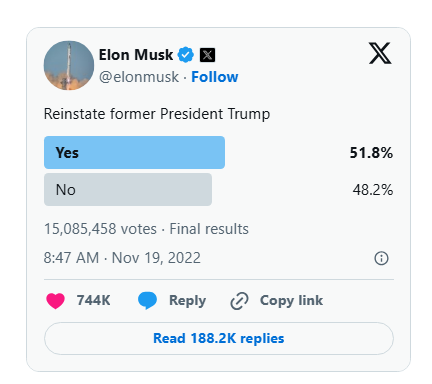
The name of the body, DOGE, references Elon Musk’s endorsement of cryptocurrency, mainly digital tokens. Additionally, Musk played a key role in reversing bans on several accounts, including Donald Trump’s, following a user poll in which 51.8% of 15 million voters supported lifting the ban first imposed in 2021 over concerns about inciting violence. Many other account bans were also reversed during this process.
Since he was unbanned, Trump continues to own and promote Truth Social, which he created as an alternative to mainstream social media platforms after his ban. Truth Social markets itself as a “free speech haven” that takes inspiration from X, allowing users to post “truths”, “truth”, and “quote truths”, but its reach continues to remain limited in comparison to more well-known social media platforms.
Why is this important?
Ownership and Centralisation of Power: Users are subjected to shifting, often vague, rules to be seen on centralised social media platforms.
Content Moderation: Although this prevents offensive or dangerous online environments, it naturally affects free expression, and moderation choices can be perceived as arbitrary or biased.
Information Warfare: Disinformation can undermine trust and manipulate opinions, such as targeted propaganda or seemingly real AI-generated media to mimic someone or something.
Policy Changes and Digital Censorship: Some social media platforms may need to adjust their rules to accommodate culture and law.
Democracy: Anyone with an internet connection and an account can reach a global audience instantly, rather than waiting on publishers or broadcasters.
Political Influence and Digital Strategy: As people tend to follow and interact with similar people, this can lead to diverse viewpoints and innovation or reinforce personal beliefs.
Alternatives: More choice prevents a social media monopoly that prevents one singular company (or a select few) from having an overarching rule over what people can say on their platform and how they must say it.
The constant fear of drama, advertisements, everchanging policies, moderation under respective ownership, and other flaws have led many users to search for new horizons not overseen by one person or company.

Known as decentralised social media platforms, platforms like Mastodon, Bluesky, and many others have emerged as alternatives, offering users more control over their data, content and security due to how they are set up. Instead of operating via a single point, they operate through a network of servers, each owned by a different person or group. This means that no single point of failure can be used to censor content.
For example, if a company wants to censor a specific post on one of these decentralised platforms, they would have to erase the post from every server hosting it, which is much more complicated than on a centralised platform like Facebook (Owned by Meta).
Why is this important?
Community and Decentralisation of Power: Decentralised platforms often rely on user input, suggestions and open-source software to improve.
Censorship Resistance: Decentralisation reduces the power of governments, corporations, or other central entities to censor or manipulate content. This makes decentralised platforms valuable in regions where free speech is restricted.
Privacy and Security: Decentralised platforms minimise the amount of personal data stored by central authorities and can protect users from surveillance, data breaches, or exploitation by third parties.
Legal Liability and Moderation: Decentralised social media platforms must comply with copyright and privacy laws such as GDPR and the Digital Services Act, which could prove challenging with how they operate.
Scale, Speed and Resilience: There are concerns that decentralised social media platforms will be unable to handle many people at once on one server due to their efficiency, but if part of the network happens to go offline, users will still be able to gain access.
Digital Divide: One of the most significant challenges decentralised platforms face is their complexity, often requiring an understanding of technical concepts like blockchain, peer-to-peer networks, or self-hosting, which can deter non-technical users.
Fragmentation of the Internet: More choice prevents a social media monopoly that stops one singular company (or a select few) from having an overarching rule over user behaviour, access to information online and how information must be displayed.
During Hurricane Helene, countless stories and photographs revealed the true extent of the damage caused by the extreme floods to the rest of the world. However, plenty of stories and pictures also did the opposite. Alongside genuine reports, misinformation about the Federal Emergency Management Agency and many conspiracy theories about how the government “made” the hurricane spread quickly.
For instance, a viral photo circulated widely on social media, showing a frightened young girl clutching her puppy as they were being rescued in a rowboat. At first glance, the image seems innocent and heartwarming enough.
For many, it may bring forth feelings of sympathy where they feel the need to pause to leave a like or comment to wish her and many others facing similar struggles well. Yet, the same photo sparked frustration and outrage for others, highlighting infuriating gaps in rescue efforts and response times – especially during a crisis.
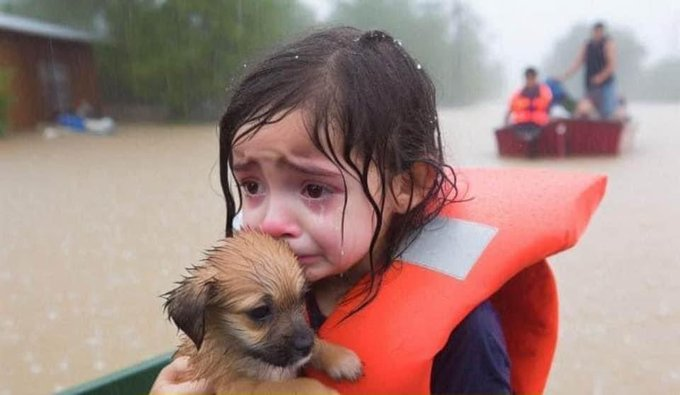
Here is the twist: the girl, the pet, the boats… Nothing is real. The photo is AI-generated, meaning it was created with a program rather than captured through the lens of a camera. Upon looking closer at the picture, consider the following:
There is a blurry green blotch in the top-left background, which could vaguely resemble a boat
The life jacket appears unusually bright, contrasting sharply with the rest of the image
The girl’s forehead features abrupt, unnatural lines
A person in the top-right background seems to be missing a limb
When informed by others through community notes and other methods, some people deleted their posts. But for every person who did, there was still one other who doubled down on their narrative for both sides, which remain online today.
After all, it is significantly harder to fact-check an image if it has been faked, as it becomes increasingly difficult to find the actual source of where it came from. Even more so when they are attached to narratives that appear to be a mixture of truth, lies and complete nonsense.
Why is this important?
Content/Engagement Farming: Social media platforms often introduce rewards to active accounts ranging from being recommended to more people to being able to monetise. Due to the rise of accounts that exploit this, moderation teams on social media platforms struggle to keep up with the amount of loopholes, free tools and off-site links.
Deepfakes and Propaganda: Any text or images artificially created can be used to perpetuate a cycle of biased and misleading information that can be wielded as a weapon to erode trust or enforce certain narratives.
Inclusion and the Digital Divide: AI is not new. However, because many social media platforms are implementing tools capable of producing seemingly authentic images, many people may not be aware that these new tools now exist and can be used maliciously. Similarly, there will be a rise in people trying these tools for the first time out of excitement and curiosity.
Machine Learning, Hallucinations and Inequality: AI is also not safe from human bias and prejudice due to how they are trained. As such, they can confidently show the wrong information without understanding the context. Based on their training, they may also not factor in specific characteristics, such as language, gender, and age, which can lead to further discrimination.
Down under in Australia, a newly introduced social media ban called the Online Safety Amendment (Social Media Minimum Age) Bill 2024 will hold large platforms accountable with hefty fines of up to 49.5 million dollars (equal to just under 40 million pounds) if they fail to prevent users under 16 from creating or maintaining accounts. The legislation, which passed the House of Representatives by a vote of 102 to 13, includes a one-year grace period to allow platforms time to develop and implement effective countermeasures before penalties are enforced, making it one of the toughest in the world we could see this year.
This ban was designed to protect children and young people from online harm and negative impacts of social media in line with two key articles covered by the United Nations Convention on the Rights of the Child (CRC):
Article 17: Children have the right to reliable information from media sources.
Article 19: Governments should safeguard children and take necessary measures to provide support.
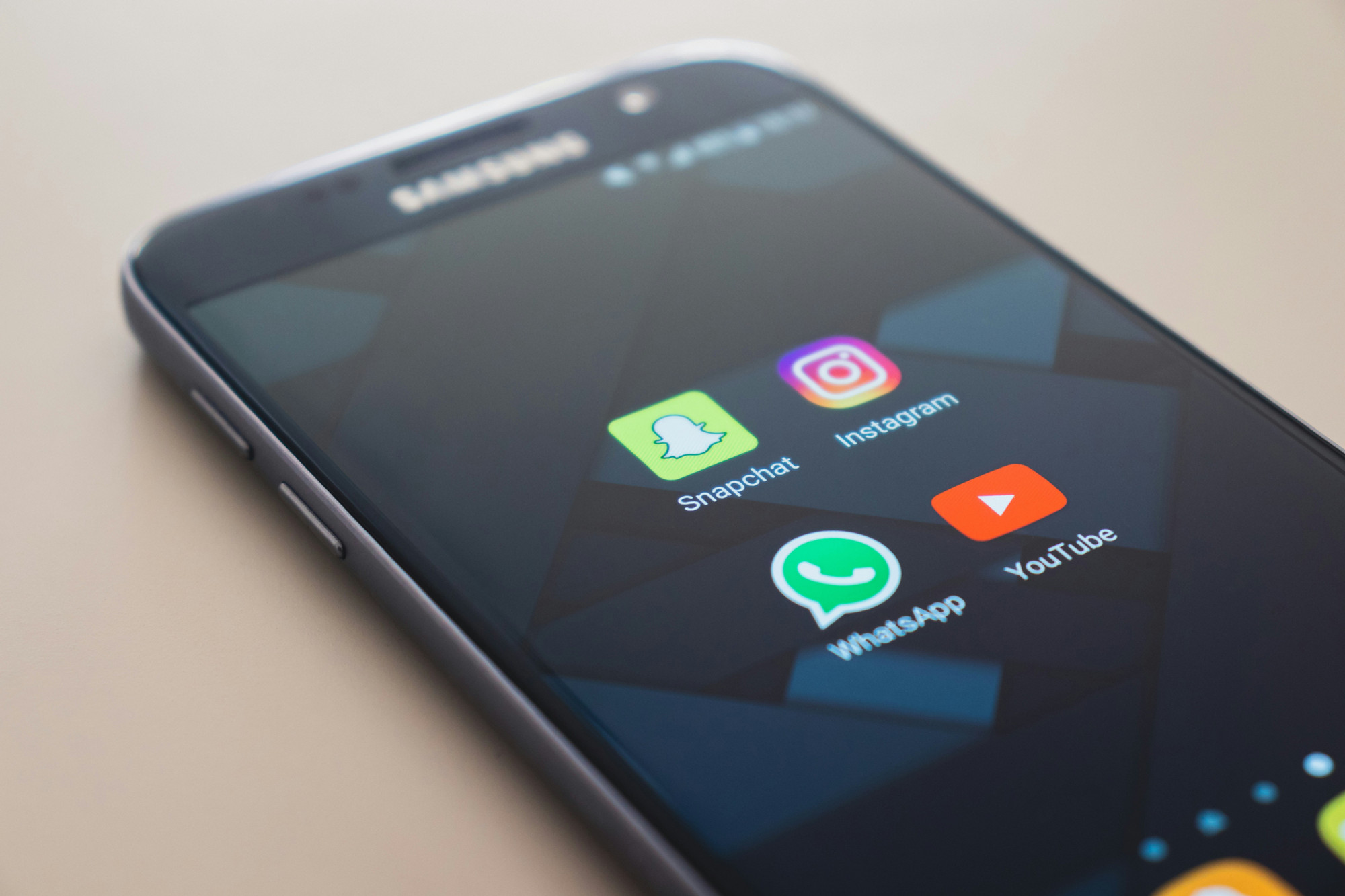
This ban will currently exist for large social media platforms such as Facebook, Whatsapp, Instagram, Snapchat, Reddit, TikTok, and X, but it does not include YouTube. However, it is presently unclear whether more social media platforms will also be included or exempt from the rules.
Australian Prime Minister Anthony Albanese stated that underage users and their parents will not face penalties under the new bill, even if the rules are circumvented.
Aside from the ambiguity of how it will be enforced, many who oppose the ban argue:
This will do little to remove any pre-existing harmful content.
It can potentially make users unprepared for when they are allowed to register.
The changes are a good concept but poorly executed within the bill.
More young people will be tempted to break or evade the rules, which could lead to “underground” social media platforms and methods of communication.
No one seems to have consulted those affected about what this could mean for them, and an overarching decision is being made on their behalf.
Why is this important?
Privacy and Overreach: Specific privacy protections may require personally identifiable information to be collected and stored to enforce the law through age verification processes. This may involve submitting government-issued IDs or biometric data that can be traced back to an individual that has the potential to be mishandled.
Smaller Digital Footprint: Scrubbing something off the internet for good once it is shared in the open is hard. By setting the entry bar high, these restrictions can limit the amount of personal information children share online, avoiding embarrassing moments or long-term consequences later in life.
Loss of Community: Among the chaos and discord, online spaces can also provide a place of belonging and inclusion. For instance, young LBTQ+ individuals are likelier to feel comfortable using social media platforms to discuss and share resources.
Making an Example: This positions Australia as a leader in digital regulation for child protection and may cause more countries to consider similar measures. It also has the potential to spark a global discussion around the broader ethics of technology.
Social media gives everyone a stage. As for what stage, that is up for you to decide.
Is it a theatre stage where the only exit is stage left? A band stage where anyone else but the headline act (or those holding VIP tickets) are dragged off by security? Maybe even a wrestling arena where cameras eagerly await your next move?
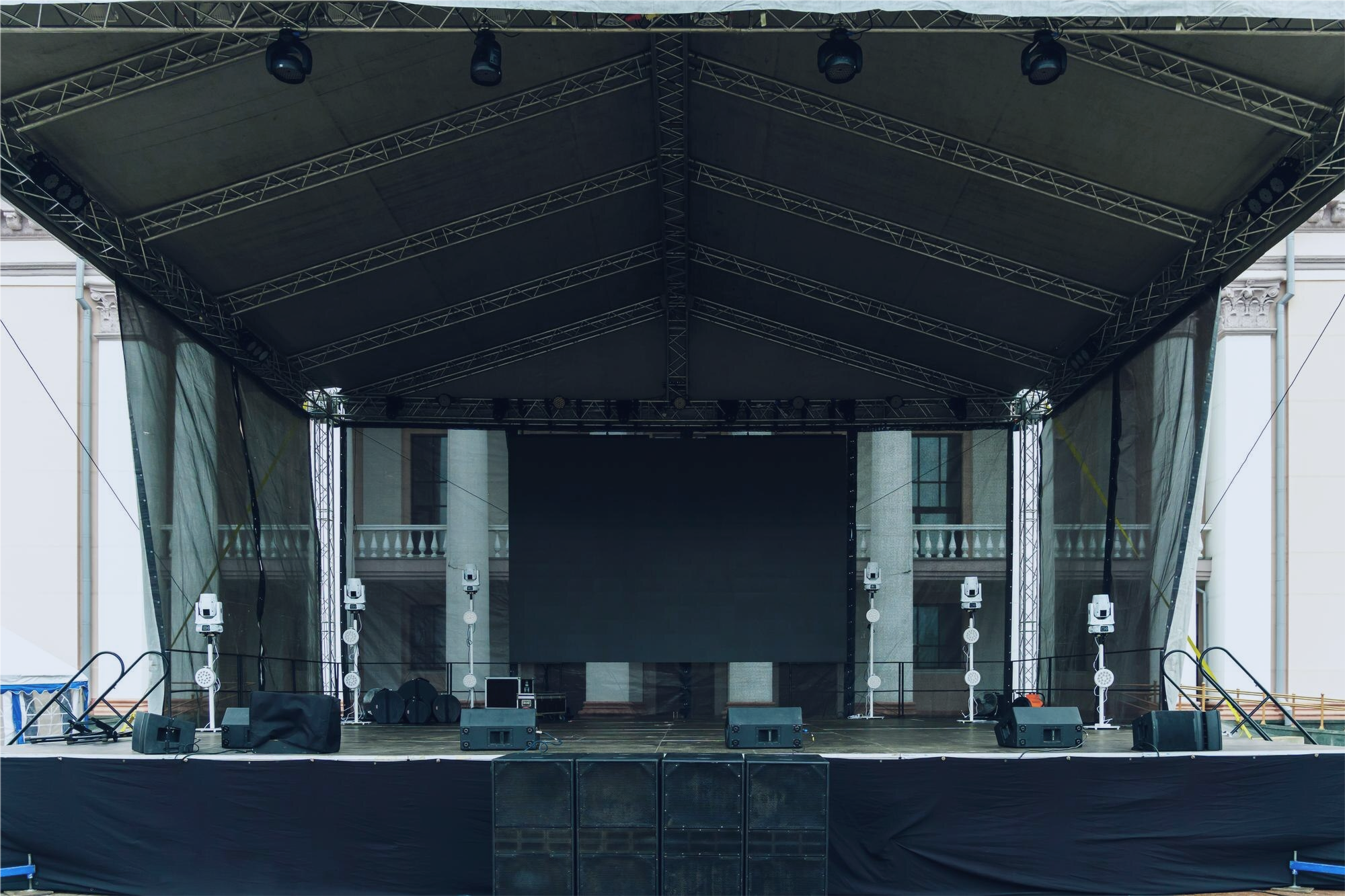
While the above examples are exaggerated metaphors, they can accurately describe what is currently happening online around the world at this moment, including:
Cyberattacks to disrupt or deny voices.
Misinformation to argue and undermine trust.
Spam and low-quality content for the sake of views and likes.
Bots repeat the same message to flood feeds with a narrative.
Cancel cultures form to discredit voices deliberately.
Echo chambers that reinforce biases.
Trolling to intimidate and scare.
In some parts of the world, these flaws are amplified, where governments have the final say in regulating what happens on specific platforms, and user activity is closely monitored or limited. With this, it can be argued that the internet has already become a place of fragmentation since not every country has a Facebook.
Instead, they may have alternatives such as Weibo or Douyin in China, VKontakte or Odnoklassniki in Russia, or perhaps Bale in Iran. These platforms are alternatives to others that could be banned or limited through state-imposed sanctions.
Notably, Douyin happens to be owned by Bytedance. This Chinese technology company owns many other social media platforms, including TikTok, which has recently been a topic of debate in the US due to accusations that it could threaten national security. The House of Representatives also voted back in March to impose a nationwide ban on TikTok sometime this year or to force its Chinese owners to sell its stocks.
Why is this important?
No Democracy: Public debates can become skewed and unchallenged when governments or corporations can control and monitor discourse.
Surveillance: This can diminish personal freedom and expression.
Alternatives: State-owned platforms are less vulnerable to foreign influence or interference.
Freedom With Consequences: To counter state-owned social media, many try to break laws or circumvent rules to get a glimpse of unfiltered life elsewhere.
What are your opinions on social media?
What are your predictions for the year ahead regarding social media?
Should governments enforce stricter regulations on social media platforms?
Can you name any lesser-known social media platforms?
Does social media make people more or less tolerant?
Related Content
Post Hot Topics
March 2026 – Neurodiversity Celebration Week
04th March 2026
5 mins read
Post Hot Topics
February 2026 – Safer Internet Day
01st February 2026
7 mins read
Post Hot Topics
January 2026 – A Long December
01st January 2026
6 mins read