



Before we begin with this month’s Hot Topic, a quick recap of last month’s topic is in order. Near the start, the following was mentioned:
Not everyone moves the same way, though. For some, mobility needs wheelchairs, aids, or help,
and walking may be secondary.
In these cases, independence is defined by how movement is enabled, supported, or adapted.
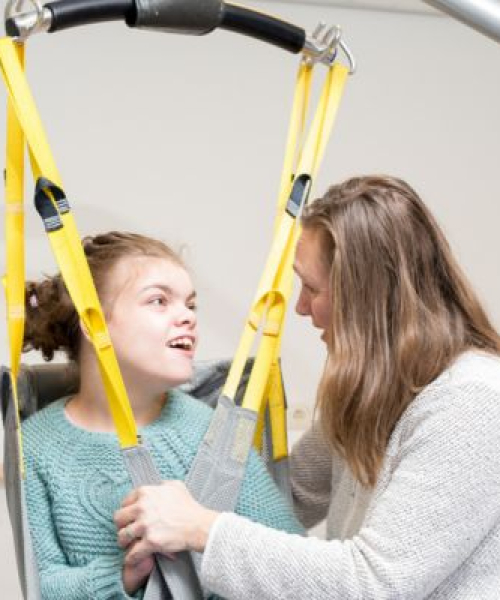
Why is it worth repeating? Well, behind every adapted movement, every assisted transfer, every moment where independence is made possible rather than assumed, there is often a carer — adjusting, guiding, lifting, steadying, or simply being present. In fact, the word “carer” has been mentioned several times over the past few months, yet it often goes unnoticed. It appears in job titles, policies, and legislation, and is even subtly alluded to in daily conversation.
This is because most carers are pictured as stoic: focusing on the immediate caretaker tasks rather than letting emotions get in the way, heroically putting themselves last or masking hidden struggles while silently enduring. The anchor in another person’s storm.
Calm. Level-headed. Dependable. Vigilant. Yet often enough, the reality behind the role is overlooked. Beneath a calm exterior is exhaustion, panic, self-sacrifice and a level of emotional toil that goes unseen.
Definition: Carer
A carer is someone who regularly looks after or supports another person who cannot fully manage on their own because of illness, disability, mental health difficulties, addiction, age, or additional needs.
Caring can involve:
- Helping with washing, dressing, eating, or mobility
- Managing medication or appointments
- Providing emotional support, reassurance and companionship
- Handling finances, shopping, or household tasks
- Staying alert for emergencies or changes in someone’s condition
Not all carers are paid. In fact, many are unpaid carers who do so out of necessity or love. They are family members, friends, neighbours, partners, young people, or elderly people who take responsibility for providing care.
Young Carers
A young carer is defined as an individual under the age of 18 who provides care for a friend or family member unable to cope independently due to illness, disability, mental health issues, or addiction.
Those who are slightly older, aged 18 to 25, are known as young adult carers.

This is why our chosen theme for June is Carers Week, taking place from the 8th to the 14th. Coincidentally, just after Carers Week comes to a close, World Elder Abuse Awareness Day takes place immediately on the 15th.
First and foremost, carers hold together parts of society that many people depend on every single day. Most people eventually become a carer, know someone who does or happen to count on one. Even if you are not a carer yourself, the effort and practice from carers affects all of our lives in some way. Here are five simple reasons as to why their role is so vital:
- Healthcare: Carers provide a vast amount of care that would otherwise fall to the NHS or social services. Without them, healthcare systems around the world would be under increased pressure, with longer waiting times and rising costs for everyone.
- Economic value: Millions of hours of support are provided not only in the UK but also worldwide. Imagine if all of that hard work suddenly vanished overnight; the economic and social consequences would be astronomical.
- Community Impact: Carers often help look after and maintain dignity and independence, enabling people to remain included in their local communities. With the support they provide, they indirectly help reduce isolation, offer reassurance and offer a sense of much-needed belonging.
- Social Fabric: Care extends far beyond practical support. Many carers become advocates, organisers, volunteers, educators, and emotional lifelines for others facing similar challenges. Their knowledge of lived experiences helps cultivate empathy, resilience and a deeper understanding of what it is like to care for someone else.
- Self-Erasure?: Caring is deeply meaningful, but that meaning does not erase the toll it can have. Many carers experience burnout, financial hardship, sleep deprivation, social isolation, anxiety, and overwhelming guilt when trying to balance their own desires with those of someone else. Over time, constant self-sacrifice can leave carers emotionally worn thin and frustrated as they struggle in silence.
There is often an unspoken element of self-sacrifice in caregiving. Struggles are frequently hidden behind the mentality of “doing what is necessary” or “if they are fine, so am I.”
Consequently, many do not initially recognise themselves as carers since it is often not as clear as a distinct responsibility; instead, it becomes the righteous clockwork of daily life, driven by obligation or affection, often running on fumes from exhaustion and the pressure to continue providing excellent care. Even carers need occasional help to take a breather and get the genuine support they need in the form of a community that openly understands and listens.
Practical Tips For Carers
When you are caught up in the daily routine of looking after someone, it is easy to feel completely alone and like there are not enough hours in the day to reach out for assistance.
- Step out of the shadows and formally acknowledge the role:
Research by Carers UK shows that adults in the UK have a 65% chance of providing unpaid care at some point in their lives. You are not an isolated exception here; you are part of the majority. By realising what the title of “carer” means, it can be the much-needed passport to access local support, council resources and legal protection.
- Do not interpret breaks as a sign of failure:
A UK Parliament briefing revealed that 43% of carers have had a physical or mental health condition worsen since taking on their role, yet 39% stated that regular breaks would have prevented this decline. A carer is unable to provide quality care when they themselves are in disarray.
Respite care is a vast option. It can range from volunteer work, in which a volunteer or another family member takes charge, to a temporary staycation at a care home for the person requiring care. It not only provides the carer with a break but also allows those receiving care to socialise more if they struggle to move about.
This could involve hydrotherapy, day trips, or other activities, making it a nice break for those who need care, with a change of scenery where they can enjoy themselves and meet other people, rather than feeling isolated or bored.
NOTE: If you and the person you care for live in the UK and want to qualify for respite care, you will need both a carer’s assessment and a care needs assessment for the person needing specialist care.
- Charities exist and can help:
Charities can help when things get overwhelming. They can offer respite too, but can also help ease the emotional weight through dedicated helplines, listening services, and free counselling tailored to caregiving.
Some can also help navigate financial and legal mazes (such as Lasting Power of Attorney) on your behalf. Others can provide grants to help buy or rent essential equipment, make home adaptations, or even fund the creation of bespoke inventions (such as a mechanical ball launcher for playing with their dog). Many host local and online peer support groups.
If that seems daunting, the charity Living Made Easy (run by the Shaw Trust) maintains a large online directory of most accessories and gadgets, including where to order them.
Practical Tips For Non-Carers
Because carers are often emotionally worn thin, they rarely have the spare energy or time to reach out. But perhaps the community can…
- Lend a meaningful helping hand:
The Centre for Care found that the economic value of unpaid carers in the UK has reached an estimated £184 billion a year—roughly equivalent to funding a second NHS. Since carers subsidise public services through their labour, neighbours can ease the burden on a more local level. Instead of leaving it to the carer by saying “let me know if you need anything,” offer concrete help, such as picking up groceries or mowing their lawn. Do not be intrusive, but ask if they need help sooner rather than later.
- Actively combating social isolation:
Research during Carers Week indicates that unpaid carers are seven times more likely to experience severe loneliness than the general public, with 35% reporting they are always or often lonely. Community-wise, this can be as simple as low-pressure doorstep visits, phone calls or even texts that require no lengthy reply.
- Listening without trying to “fix” the situation:
Carers frequently face overwhelming guilt and exhaustion. When they do open up, they do not need condescending lectures or positivity. Instead, sometimes it is best to listen. Validate frustrations and provide a safe space to vent if needed.
- Provide support while staying vigilant
While many carers dedicate themselves selflessly to supporting others, safeguarding requires an understanding of another taboo reality: not everyone who occupies a caring role acts with care as they should. History has shown cases where neglect, theft, exploitation, prejudice, abuse, blackmail and violence by those entrusted with caregiving. It is important to spot changes in demeanour and behaviour, such as becoming withdrawn, and to address concerns raised by a vulnerable person.
On the other hand, some caregivers generously go above and beyond their duties of care to help. Even the simplest of treats or a kind word helps brighten their day. When it comes to community, education helps people understand what to witness and whom to inform, and enables positive stories to flourish.
Healthcare and Social Care Considerations
Medical and social services are often ready to catch carers before they reach a breaking point, shifting from a focus on just the person who requires care to a focus on the whole family. However, past experiences may cause scepticism in asking for help if the solution is not immediately meaningful or comes across as too intrusive/controlling.
First impressions are key to the willingness to come forward and ask for the help required.
- Implement routine identification in medical settings:
According to the latest 2021 census on unpaid care in England and Wales, general practices in England miss just under a million carers from their official records. While roughly 8.8% of the population were identified as carers, only 1.4% were actively noted as such in GP databases. This is concerning, as GP surgeries and pharmacies can willingly offer routine checks, priority booking, or combined appointments – but only if more carers feel able to come forward.
Businesses and Service Considerations
The time and financial strain of caregiving can turn basic errands into monumental tasks. But with a little bit of awareness, they can adapt (or specifically cater) to assist carers.
- Introduce priority access and flexible services:
By acknowledging that carers operate on rigid schedules dictated by medication times and professional care visits. High street businesses, utilities, and banks can assist by offering priority queues, flexible home delivery windows, and direct customer service lines.
- Alleviate the financial strain with discounts:
Everybody loves a good discount, but the Carers UK State of Caring report found that 49% of unpaid carers have had to cut back on essentials like food and heating due to financial hardship. Some local businesses may be able to support carers through discounted services, loyalty schemes, or occasional offers that help stretch limited budgets.
While no discount can remove the financial pressures associated with caring, small savings on groceries, transport, leisure, or household essentials can ease the burden while demonstrating that carers are recognised and valued.
Leisure centres and community hubs can host “rolling” coffee mornings or hobby groups where carers can drop in without needing to book weeks in advance, allowing them to rebuild connections on their own terms.
- Provide mobile or doorstep community outreach:
When a carer is physically unable to venture outside due to the intensity of their role, volunteer networks can assist.
They can arrange short doorstep visits, telephone befriending services, or the delivery of library books and supplies to remind a carer that they are seen and that they still exist in their neighbourhood.
- Do you know of any laws or acts relevant to carers, and do they need updating?
- Who cares for a carer?
- What does good/bad care look like?
- What assumptions do people commonly make about carers, and are they fair?
- Should caring be a private responsibility, or a responsibility shared by society?
- Is caring simply about helping someone survive, or helping them continue to live with dignity and purpose?